Día de los Muertos: 4 Lessons on Life and Death
Día de los Muertos: 4 Lessons on Life and Death
Día de los Muertos (English translation: Day of the Dead) is a joyful, colorful holiday to remember those who have passed before us, celebrated October 31st through November 2nd every year. Initially, the holiday began several thousand years ago as a reaffirmation of indigenous life, but now Mexicans from all religious and ethnic backgrounds take part in the 2-day celebration. It’s also recognized throughout Latin America and around the world, and is only gaining in popularity.
Día de los Muertos has gone mainstream in the United States in recent years, from the 2017 animated Pixar box office hit movie Coco to the 2020 release of the (already sold out) Barbie Signature Día de los Muertos Collector Doll. (Día de los Muertos is not to be confused with Halloween, which is a completely separate tradition.)
Whether you celebrate Día de los Muertos or not, there is so much beauty and lessons you can learn on life and death. Here we’ve highlighted 4 lessons:
1) A different way to mourn
Pre-Hispanic indigenous cultures; Aztec, Toltec, and other Nahua people, considered mourning the dead disrespectful. Death was instead seen as a natural phase in the continuation of life. Deceased were kept alive by remembering their spirit. Every year they temporarily returned to earth, on Día de los Muertos. As it’s celebrated now, the idea remains to celebrate the lives of the dead, instead of mourn them.
Celebrations are often had as families visit cemeteries together. They decorate the graves of their loved ones, as well as bring in food and drink to celebrate all day. Some families will even stay in the cemetery throughout the night during the celebration days.
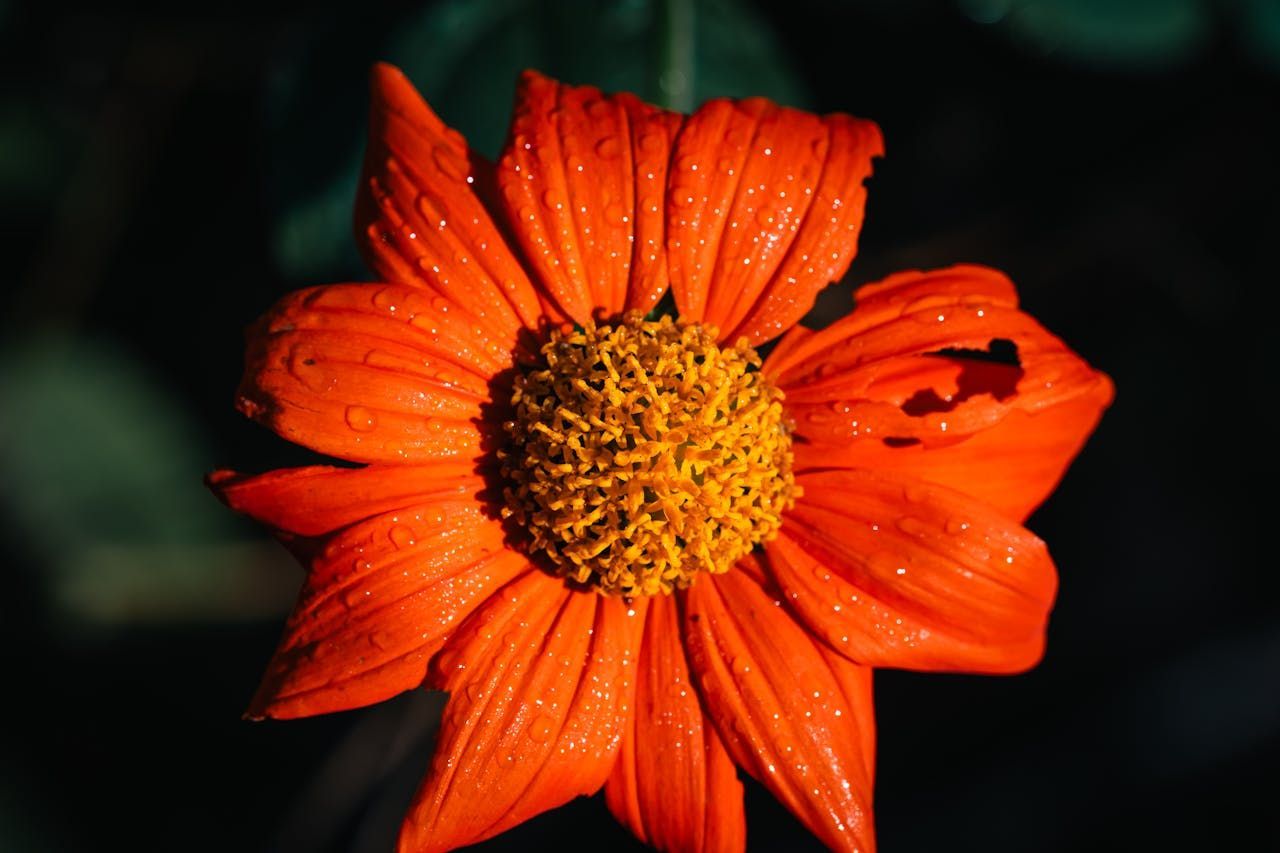
Flor de Muerto (English translation: Marigold, literally translated as “flower of the dead”) is widely used for decoration during el Dia De Los Muertos. Many believe that the scent of these bright orange flowers help attract souls to the altar and cemeteries.
2) La Ofrenda
The ofrenda, an altar put together for Día de los Muertos, is decorated each year to greet a family’s deceased loved ones. The altar includes photographs of the deceased, as well as food and gifts for the deceased to enjoy in the afterlife. Every ofrenda includes the four elements: water, wind, earth and fire.
What you can take from the tradition of the ofrenda is the importance of memorialization. Each year during Día de los Muertos, those who create an ofrenda are creating a physical, tangible space to honor and remember the life of their deceased family members. The act of creating the ofrenda is therapeutic and supportive in any grief journey.
3) Relationship to the dead
Día de los Muertos exposes the concept of “final death”. As long as deceased family members are remembered every year at their family’s ofrenda here on earth, they will reside in the ‘Land of the Dead’. Once that last memory is lost, they have their “final death.”
“Final death” only happens when families no longer can hold the memory of the deceased, but each year as long as they are remembered, deceased souls can return temporarily to visit their loved ones.
The comforting thought that the dead can come back to visit makes death not something to be feared, but rather a transition. The concept of death within Latino death traditions teaches us to treasure our loved ones, both the living and the dead… and to think about our continuing connection with those who have come before us, the ways we can grieve with both love and happiness.
4) Symbolism of La Catrina
The Catrina, perhaps the most recognizable symbol of Día de los Muertos, originated from a calavera written in the early 20th century, by José Guadalupe Posada, a Mexican political cartoonist and lithographer.
In Spanish, calavera means “skull” but oddly enough it was also used to describe sarcastic tombstone epitaphs published in newspapers. Today these literary calaveras are a popular part of Día de los Muertos celebrations, found in print, spoken aloud, and broadcasted across media channels.
José Guadalupe Posada created the Catrina calavera as a social commentary on the European influence in Mexican society. From there, the imagery of Catrina was born.
What we can take from this commentary about life is that “Todos somos calaveras” (English translation: “We are all skeletons”). The satirical drawing reminds us that we are all the same, no matter our political thoughts, race, or society we belong to. We all end up skeletons.
In knowing the history behind the Catrina, each year we are reminded, through beautiful colors, garments and makeup, that we all are the same.
¡Feliz Día de los Muertos!
Will you be celebrating Día de los Muertos this year? Who are you including in your ofrenda?
Resources:
https://www.nationalgeographic.com/travel/destinations/north-america/mexico/top-ten-day-of-dead-mexico/
https://dayofthedead.holiday/traditions/who-is-la-catrina